Navigating the intricacies of cleanroom cleaning procedures after construction is crucial for maintaining a contamination-free environment. In biotechnology, pharmaceuticals, and electronics manufacturing, cleanrooms are designed to restrict pollution and other forms of contamination. Understanding how to effectively clean these spaces post-construction not only protects sensitive products but also enhances operational efficiency and safety.
Nội dung chính
Understanding Cleanroom Standards and Classifications
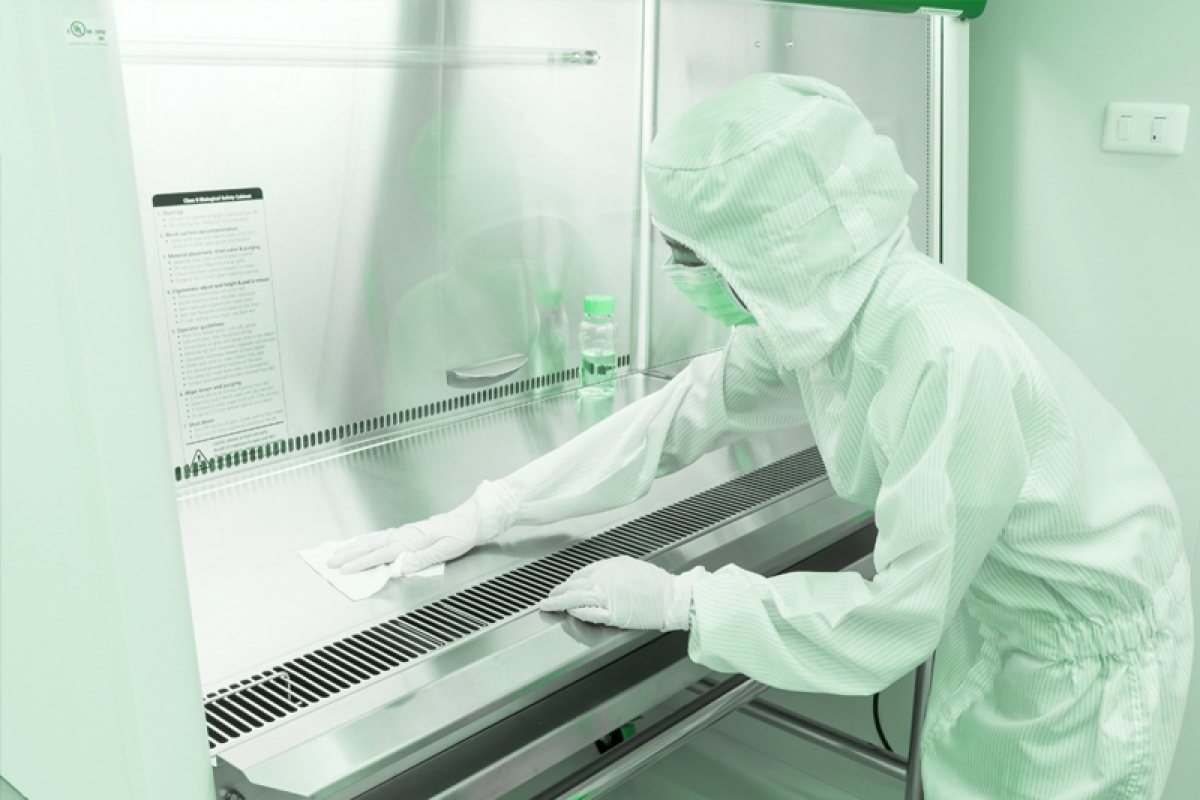
In order to implement effective cleanroom cleaning procedures after construction, it’s vital to understand the different standards and classifications that govern cleanrooms. These standards provide insight into what constitutes a cleanroom environment and set the foundation for effective cleaning protocols.
Cleanroom Classifications
Cleanrooms are classified according to the allowable limits of airborne particulate contamination. The ISO (International Organization for Standardization) categorizes cleanrooms using ISO standards from ISO 1 to ISO 9.
- ISO Class 1: This is the cleanest classification and allows no more than 10 particles per cubic meter that are equal to or greater than 0.1 micrometers. Cleanroom cleaning procedures in this class require intense control measures, including HEPA filters and airlocks.
- ISO Class 5: This allows for a maximum of 3,520 particles per cubic meter, still requiring stringent cleaning protocols. The focus here shifts to regular monitoring and contamination control practices.
- ISO Class 9: The least stringent classification, retaining less control over airborne contaminants. However, even this class requires some level of cleaning protocol adherence, particularly focused on operational procedures.
Understanding these classifications is the first step toward implementing effective cleaning procedures after construction. Compliance to these standards ensures that the cleanroom meets its operational requirements and extends its longevity.
Importance of Cleanroom Standards
Maintaining cleanroom cleanliness is not just about cleaning; it’s about adhering to strict guidelines. These standards ensure product safety, regulatory compliance, and the overall efficiency of the manufacturing process.
Businesses need to see cleanroom cleaning procedures as a vital investment. For instance, failure to maintain ISO Class standards can lead to product recalls, losses, and financial penalties from regulatory bodies. Businesses need to be cognizant of the fact that without a proper understanding of class specifications, they cannot effectively proceed with the necessary cleaning measures post-construction.
Additionally, one must also take into account that every industry has its own level of tolerance for particulates. A pharmaceutical cleanroom may have vastly different requirements than an electronics cleanroom. Adhering to these standards not only promotes safety but also fosters a culture of responsibility within the organization.
Preparing for Cleanroom Cleaning Procedures
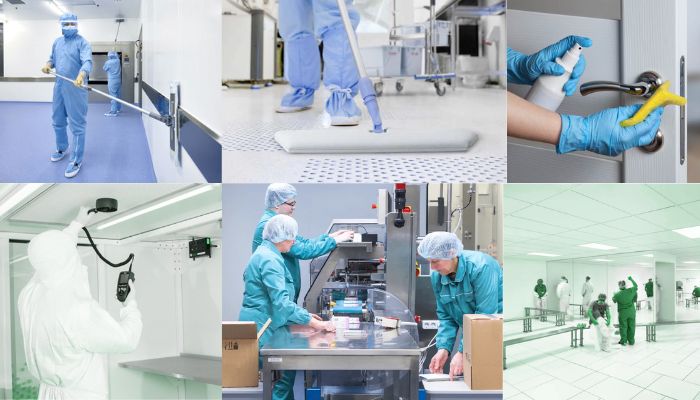
Before implementing cleanroom cleaning procedures after construction, preparation is key. This stage involves understanding existing contaminants, preparing the cleaning team, and gathering the necessary tools and supplies.
Assessing the Cleanroom Environment
The very first step is an in-depth assessment of the cleanroom environment. This includes identifying potential sources of contamination, such as dust particles, residues from construction materials, or chemicals used during installation.
An evaluation must begin by physically walking through the cleanroom. Inspect the walls, floors, and ceilings for visible residues. Make note of any areas that might have been overlooked and require focused attention. Cleanroom cleaning procedures are not uniform—they must adapt to the specific challenges presented by each unique space.
Documentation of your assessment with diagrams or photographs can provide additional context for the cleaning team. You can also use contamination testing kits that measure particulate levels, ensuring a foundation for cleaning efficacy.
Training the Cleaning Team
Once the assessment is complete, the next step is to train the cleaning personnel. It’s essential for cleanroom staff to understand the importance of contamination control and what cleanup procedures entail.
Team members should be trained in particular techniques, such as the use of lint-free wipes, mop heads, and vacuum systems designed for cleanroom environments. Each staff member should have knowledge of the types of chemicals that may be used in the cleanroom and the appropriate cleaning agents for the specific contaminants identified in the assessment.
Furthermore, protocols for proper gowning, which involves wearing special cleanroom attire, must be established. Ensuring that each member understands the significance of maintaining personal cleanliness can greatly reduce chances of particle transfer into the cleanroom during cleaning operations.
Step-by-Step Cleanroom Cleaning Procedures
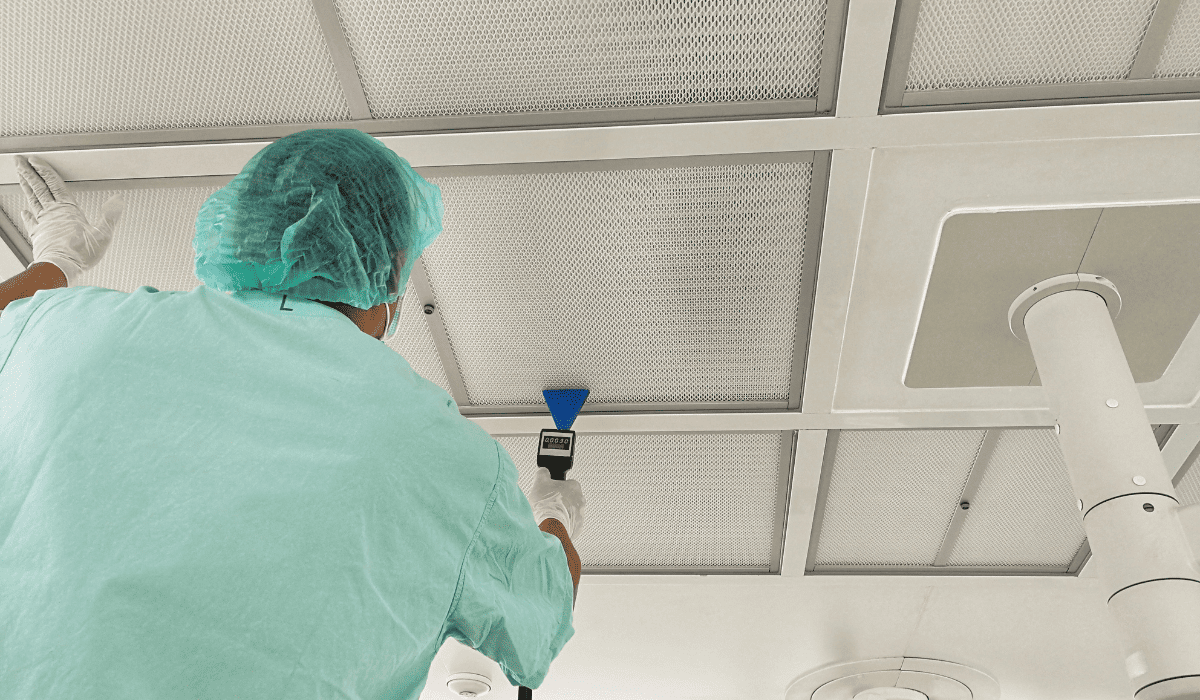
Once the cleanroom has been prepared, the actual cleaning procedures can take place. This section talks about specific steps you can take to ensure the cleanroom remains contamination-free and compliant with required standards.
Initial Cleaning
The initial cleaning serves to remove bulk contamination that might have accumulated during construction.
The first task involves dry dusting surfaces with lint-free materials. Start at the highest points, such as ceilings and shelves, and move downward to ensure that you’re not redistributing particles from cleaner to dirtier areas. Follow this with vacuuming using a specialized cleanroom vacuum system designed to contain particles without release back into the environment.
Post-vacuuming, wet cleaning methods should be implemented. Use approved cleaning solutions to wipe down all surfaces, focusing on areas most susceptible to contamination, such as doorknobs, switches, and any equipment that will be used in the cleanroom. Remember to maintain a systematic approach—working from one side of the room to the other minimizes the risk of dirtying cleaned areas again.
Final Cleaning
Once the initial cleaning is complete, it’s time for the final cleaning stage to ensure sterilization.
Transition to using disinfecting agents appropriate for the cleanroom class. If there are highly sensitive applications, employ sterile wipes soaked with the disinfectant to clean all surfaces. Products should have traceability to ensure they meet the necessary criteria for cleanroom use.
Draft a final checklist that ensures no parts of the cleanroom were missed. This final inspection is a crucial step for compliance and operational safety. Ensure that all personnel sign-off on completed steps, creating an accountability system that protects the integrity of the cleanroom.
Post-Cleaning Monitoring
Even after the cleaning procedures are executed, monitoring the cleanroom’s environment is essential.
Employ monitoring systems that continuously check for air purity and particle count. This allows for rapid identification of potential contamination events and ensures the cleanroom maintains its integrity. Regular testing schedules should be established and adhered to, enabling you to proactively deal with any concerns before they escalate.
Documenting the results of these tests provides additional accountability and integrates seamlessly with standard operating procedures. Furthermore, a log of cleaning history, including the cleaning agents used, dates, and the personnel on-site, adds an extra layer of thoroughness in maintaining standards.
Importance of Regular Maintenance and Evaluations
Once the cleanroom is up and running, one might be tempted to overlook the importance of regular maintenance. However, it’s crucial to establish a routine that involves both cleaning and evaluating the cleanroom.
Routine Cleaning Protocols
Regular cleaning is not merely a suggestion; it is a necessity. This is where regular cleaning schedules become paramount to maintaining a contaminant-free environment.
This should include daily, weekly, and monthly cleaning tasks that define different levels of cleaning based on operational needs and contamination level. Increasing the frequency of cleaning according to the activity level in the cleanroom can make a world of difference in the overall contaminant levels.
Daily tasks may include sweeping, vacuuming, and disinfecting high-touch surfaces, while monthly tasks can involve a more comprehensive cleaning, including equipment disassembly, deep cleaning, and complete surface evaluations. All personnel must participate in this routine, promoting the notion that cleanroom maintenance is everyone’s responsibility.
Regular Audits and Assessments
Periodic audits are necessary not just for compliance but to identify areas for improvement.
Conducting these audits allows for the identification of potential weak points, whether they concern cleaning procedures or airflow control systems. An organized approach to these audits will yield fruitful insights, highlighting areas that require more stringent monitoring or adjusted cleaning frequencies.
Using a resource like an auditing checklist can streamline the process, making the evaluation straightforward for all teams involved. Regular auditing fosters a culture of quality and accountability, reinforcing the importance of maintaining high standards across the organization.
Employee Training and Knowledge Updates
The cleanroom environment must not only be physically maintained but also embraced as a culture within the organization. Continuous education and training—through workshops or seminars—are integral to ensuring that all cleanroom personnel remain knowledgeable and updated on the latest standards and regulations.
Incorporating insights from industry updates, research, and contamination control measures can better equip your team for the evolving needs of cleanroom maintenance. Moreover, nurturing a spirit of inquiry and open dialogue promotes team engagement robustly, reflecting positively on the organization’s compliance efforts.
Conclusion
In this detailed exploration of cleanroom cleaning procedures after construction, we underscored the importance of adhering to classifications and standards, the proactive preparation needed for cleaning, and the implementation of thorough, step-by-step procedures. We covered routine maintenance and evaluations to ensure that the cleanroom remains compliant and contamination-free. By fostering a culture of cleanliness and responsibility combined with regular audits, training, and maintenance, businesses in critical sectors can ensure product integrity, operational efficiency, and considerable savings in the long run.


 Chat với tư vấn viên
 Gọi ngay